The Unmistakable Heart of the Lone Star State: Mastering Authentic Texas Chili
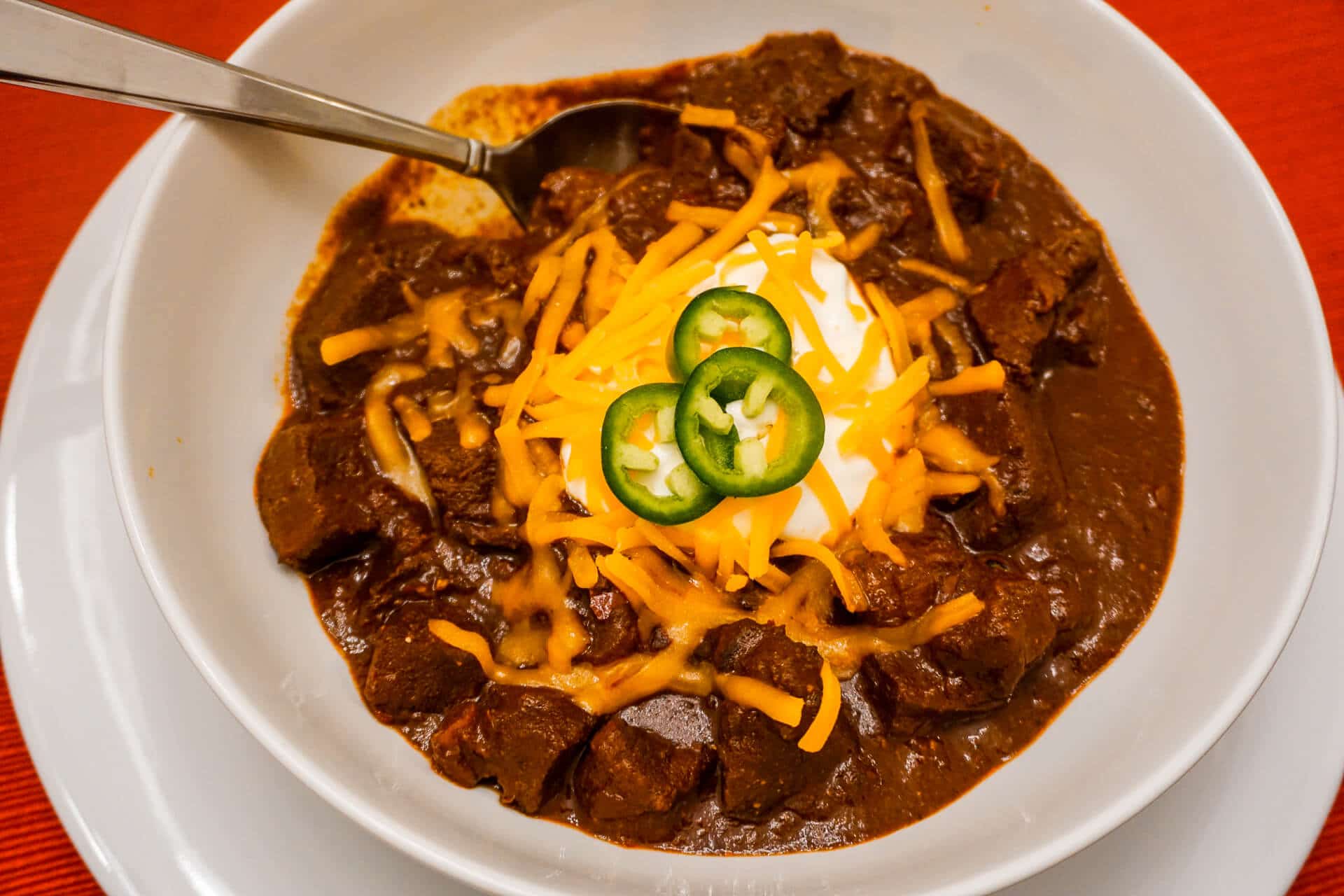
There are few dishes that evoke the spirit and soul of a region quite like Texas Red Chili: The No-Bean, No-Tomato Lone Star Classic. Forget what you think you know about chili; in Texas, it's an entirely different beast. This isn't just a meal; it's a culinary institution, a point of pride, and a delicious declaration of independence from convention. Known affectionately as "Bowl o' Red," authentic Texas chili is a hearty, bold, and deeply flavorful experience centered around two essential elements: tender, slow-cooked beef chunks and an intensely rich sauce crafted from dried chili peppers. It's smoky, savory, and an ultimate comfort food for anyone who appreciates the pure, unadulterated essence of chili.
From the bustling kitchens of San Antonio's legendary "Chili Queens" in the 1800s, who served their spicy chili con carne with sides of frijoles (beans) rather than incorporating them into the stew, to the competitive fervor of modern-day chili cook-offs, the tradition of Texas Red has been meticulously preserved. Every family, every restaurant, and every passionate cook in the Lone Star State holds a fierce conviction about what makes their version the ultimate. This article will guide you through the time-honored principles and techniques to master this iconic dish, ensuring your rendition is truly worthy of the Texas name.
The Undeniable "Rules" of Authentic Texas Chili
While every cook adds their personal flair, the foundation of true Texas chili rests upon a set of core guidelines that most Texans will staunchly defend. Understanding these "rules" is key to appreciating the unique character of this dish, and mastering them is your first step towards culinary authenticity. If you want to dive deeper into the historical context and reasons behind these rules, check out our article on The True Texas Chili Rules: History, Beef & Bold Chile Flavor.
- No Beans Allowed: This is perhaps the most famous and fiercely debated rule. In traditional Texas chili, beans are considered a side dish, not an ingredient. The focus must remain squarely on the beef and the rich chili pepper sauce. Adding beans, for many Texans, dilutes the integrity of the "Bowl o' Red."
- Tomatoes? Not in My Chili: Another distinctive characteristic is the absence of tomatoes. You won't find tomato paste, sauce, or canned tomatoes in an authentic recipe. The depth and richness of the sauce come exclusively from the pureed dried chili peppers, creating a flavor profile unlike any other chili.
- Big Chunks of Beef are Non-Negotiable: While some modern interpretations might use ground beef, the gold standard for traditional Texas chili demands substantial chunks of beef. Chuck roast is the preferred cut, braised slowly until it becomes fall-apart tender, offering a satisfying texture and deep meaty flavor.
- Dried Chili Peppers, Not Just Powder: This is where the magic truly happens. A defining feature is the use of whole dried chili peppers. These aren't just for heat; they provide an incredible spectrum of smoky, earthy, sweet, and complex flavors that simply cannot be replicated with pre-ground chili powder.
- Long, Slow Cooking is Essential: Patience is a virtue when making authentic Texas chili. It's meant to simmer for hours, allowing the beef to break down into succulent tenderness and the myriad flavors from the dried chiles, spices, and beef to meld into a velvety, harmonious sauce.
Of course, culinary rules are often made to be bent, or even broken, in the privacy of one's own kitchen. But to truly understand and appreciate the essence of Texas chili, adhering to these traditions is paramount.
Crafting the Heart of the Bowl: The Dried Chile Sauce
The soul of Texas chili resides in its unique chili pepper sauce. This isn't just about heat; it's about building layers of complex flavor. The process begins with selecting and preparing a medley of whole dried chiles, each contributing its own distinct character to the final blend.
Choosing Your Chile Arsenal:
- Ancho Chiles: These are dried poblanos, offering a mild heat profile with deep, fruity, and slightly sweet notes reminiscent of raisins or prunes. They form the backbone of the sauce's richness.
- Guajillo Chiles: Known for their vibrant, bright red color and moderate heat, guajillos contribute a fruity, tangy flavor with hints of green tea and berries. They add complexity and a beautiful color.
- Pasilla Chiles: Dark and slender, pasillas (often called "chile negro") provide an earthy, slightly smoky flavor with notes of cocoa and licorice. They add a deep, resonant quality to the sauce.
- Chipotle Chiles: Dried, smoked jalapeños, chipotles bring a distinct smoky heat that is characteristic of many authentic Southwestern dishes. Use them judiciously to control the smoky intensity and spice level.
Making the Chili Puree:
The transformation from dried peppers to a luxurious sauce is a crucial step. Begin by toasting your dried chiles in a dry pan for a minute or two until fragrant. This awakens their essential oils and deepens their flavor. Then, remove the stems and seeds, and rehydrate them by soaking in hot water until pliable – typically 20-30 minutes. Once softened, blend the chiles with some of their soaking liquid (or fresh broth) until you achieve a silky-smooth paste. This pureed chili mixture will be the flavorful foundation upon which your Texas chili is built.
A secret weapon for many Texas cooks, including the one whose recipe inspired this approach, is a touch of masa harina. A spoonful or two, dissolved in a little water and stirred into the simmering chili, will subtly thicken the sauce, giving it a velvety texture without overpowering the chile flavors.
The Art of the Simmer: Beef Selection and Slow Cooking
With your chili paste ready, it's time to turn our attention to the star protein: the beef. As mentioned, Texas chili demands chunks, not ground meat. Chuck roast is the undisputed champion here. Its generous marbling ensures it remains moist and flavorful during the long cooking process, breaking down into succulent, shreddable pieces that melt in your mouth.
Preparing and Browning the Beef:
Cut your chuck roast into 1 to 1.5-inch cubes. Before simmering, it's vital to brown the beef thoroughly in batches. This crucial step, often overlooked, creates a deep, caramelized crust on the meat, developing rich "fond" at the bottom of the pot. This fond, once deglazed with broth or water, becomes an integral part of the sauce, adding incredible depth of flavor that cannot be achieved any other way.
The Long, Slow Dance:
Once the beef is browned and the aromatics (like onions and garlic, if used) are softened, your prepared chili puree and broth are added to the pot. This is where patience becomes your most important ingredient. The chili needs to simmer gently for hours – typically 3 to 4 hours, or even longer – allowing the tough connective tissues in the beef to break down, rendering it incredibly tender. During this time, the flavors of the chiles, beef, and any additional spices (such as cumin and Mexican oregano) meld and deepen, transforming into a harmonious, complex symphony of taste. The best part? Like a fine wine, Texas chili often tastes even better the next day, after the flavors have had more time to fully develop.
Beyond the Bowl: Serving and Enjoying Your Texas Red
Once your authentic Texas chili has reached its peak of rich, beefy, chile-infused perfection, it's time to serve it up. Traditionally, it's served simply in a bowl, perhaps with a garnish of chopped raw onion, a sprinkle of grated cheese (though purists might omit this), or a dollop of sour cream or crema. Cornbread or warm tortillas are classic accompaniments, perfect for soaking up every last drop of that glorious sauce. Remember, the focus is always on the chili itself.
This dish is incredibly versatile, fitting perfectly for a cozy family dinner on a chilly evening, a casual backyard gathering, or even as the centerpiece of a competitive cook-off. Its robust flavors stand up beautifully to freezing, making it an excellent meal prep option for future enjoyment. Just thaw, reheat gently, and savor the taste of the Lone Star State.
Conclusion: The Enduring Legacy of Texas Chili
Mastering authentic Texas chili is a journey into the heart of Texan culinary tradition. By honoring the core principles – no beans, no tomatoes, robust beef chunks, a complex dried chile sauce, and patient, slow cooking – you create more than just a meal; you craft an experience. This "Bowl o' Red" isn't merely food; it's a taste of history, a celebration of flavor, and a testament to the enduring appeal of simple, quality ingredients treated with respect. So gather your chiles, cube your beef, and embark on your own delicious quest to create the ultimate, unforgettable Texas chili.
